
How to Select the Right Solid State Relay for Your Industrial Application: A Comprehensive Guide by XURUI
How to Select the Right Solid State Relay for Your Industrial Application: A Comprehensive Guide
Choosing the correct solid state relay (SSR) is a critical decision that impacts the reliability, efficiency, and safety of your industrial control systems. With the global push towards smarter manufacturing and energy efficiency, as highlighted in recent industry reports from automation expos, the demand for precise and durable switching components like SSRs has surged. Unlike electromechanical relays, SSRs offer silent operation, longer life, and faster switching, making them ideal for modern applications. However, the variety of types—AC solid state relay, DC to AC solid state relay, 3 phase solid state relay—can be overwhelming. This guide, backed by over two decades of expertise from XURUI, a leading solid state relay manufacturer, will walk you through the key selection criteria.
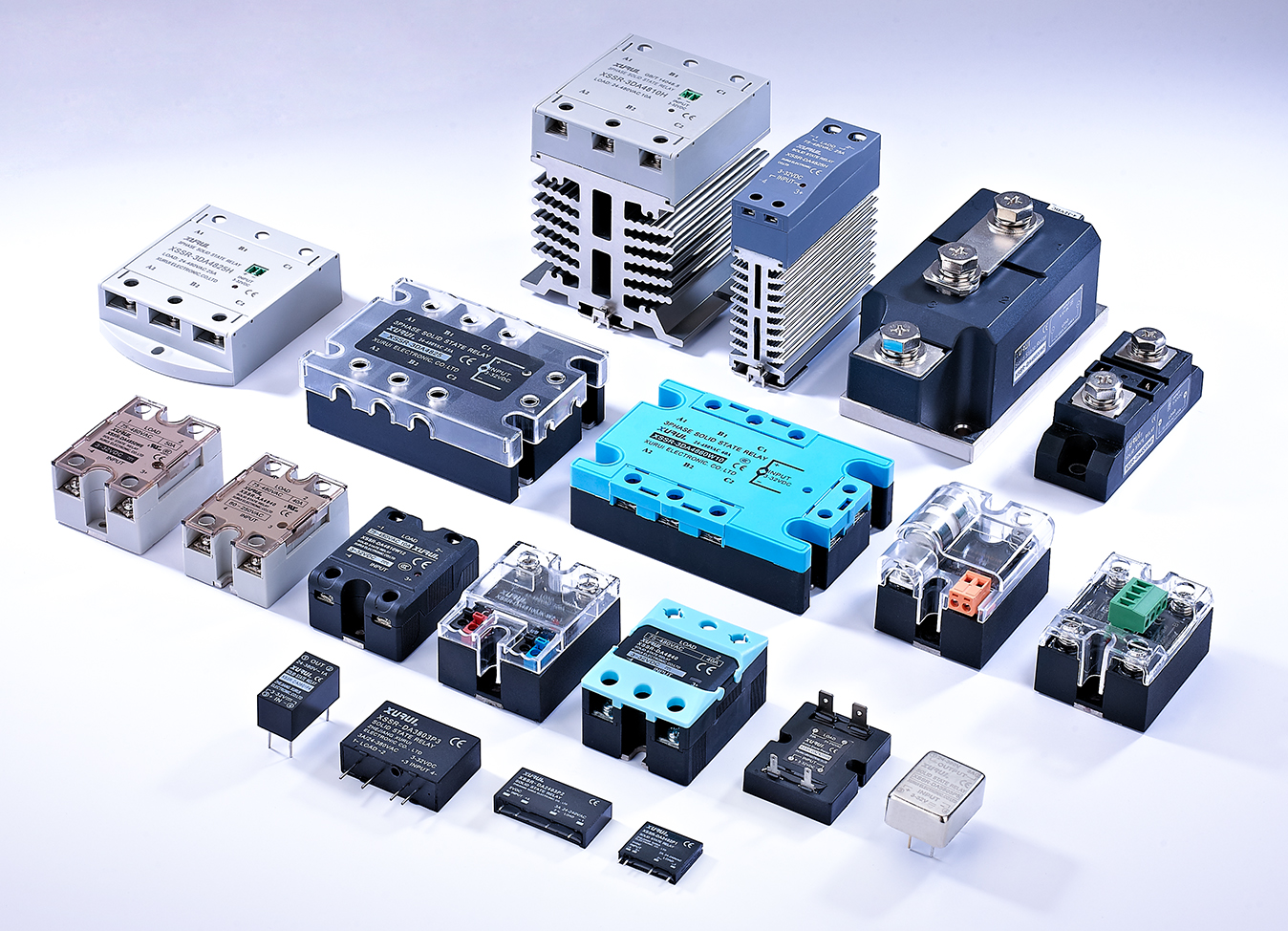
A selection of high-performance solid state relays from XURUI's extensive portfolio.
Step 1: Understand Your Load Type and Current Rating
The first and most crucial step is to characterize your load. Is it resistive (like heaters), inductive (motors, solenoids), or capacitive? This determines the inrush current, which can be 5-10 times the steady-state current. For instance, a motor startup requires an SSR rated significantly higher than its nominal current.
- For Standard AC Loads: A standard AC solid state relay like the XURUI XSSR-W12 or XSSR-P1 is often sufficient. Consider a zero crossing solid state relay for resistive loads to minimize electromagnetic interference (EMI).
- For DC Control of AC Loads: You'll need a DC to AC solid state relay. These are common in PLC-controlled systems.
- For High-Power Applications: Look into 3 phase solid state relay solutions or high-current modules like a 40A solid state relay or even higher ratings.
Always select an SSR with a current rating (e.g., 25A solid state relay, 40A solid state relay) that has a substantial safety margin above your maximum operational load to ensure longevity.
Step 2: Determine the Required Voltage Specifications
Voltage ratings are non-negotiable for safety. You must consider both the input control voltage and the output load voltage.
- Load Voltage: Match the SSR's output voltage rating to your system. Common standards include 240V solid state relay for some regions, 220VAC solid state relay SSR, and industrial-grade 600V solid state relay for heavy machinery.
- Control Voltage: This is the signal that turns the SSR on/off. It can be DC (3-32VDC) or AC (90-280VAC). Ensure compatibility with your controller (PLC, microcontroller, etc.).
For applications involving DC circuits, a solid state relay dc to dc might be necessary for complete circuit isolation and control.
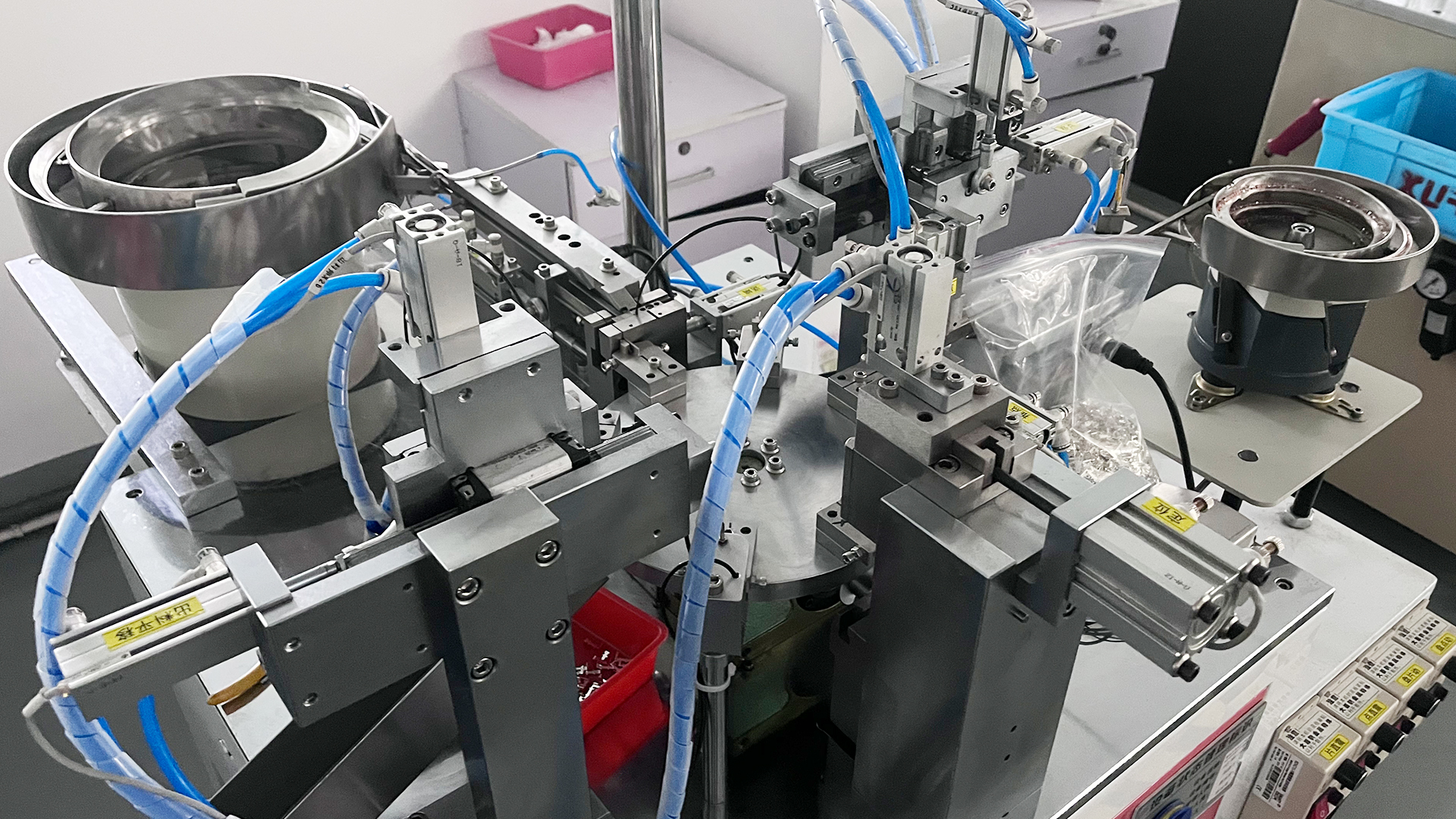
Precision manufacturing equipment at XURUI's facility ensures consistent quality for every industrial solid state relay.
Step 3: Choose the Mounting and Form Factor
How will the SSR be installed in your system? This affects heat dissipation and maintenance.
- DIN Rail Mount: The din rail mount solid state relay is the industry standard for control panels, offering easy installation and removal. XURUI offers a wide range of DIN-rail compatible SSRs.
- PCB Mount: For embedded systems or compact devices, PCB-mounted SSRs are soldered directly onto the circuit board.
- Heat Sinking: SSRs generate heat during operation. Higher current ratings like a 40A solid state relay absolutely require an appropriately sized heat sink. XURUI provides guidance on thermal management for all its products.
Step 4: Consider Special Features and Functions
Advanced features can solve specific application challenges.
- Zero-Crossing vs. Random Turn-On: A zero crossing solid state relay switches when the AC voltage wave crosses zero, drastically reducing EMI and surge currents—perfect for lighting and resistive heating. Random turn-on is better for phase-angle control in adjustable solid state relay applications like motor speed control.
- Built-in Protection: Some UL Solid State Relay certified models, like those from XURUI, may include features like snubber circuits, RC networks, or MOVs for overvoltage protection.
- Dual/Redundant Channels: For critical safety systems, a dual solid state relay module provides redundancy.
Step 5: Verify Certifications and Supplier Reliability
This step is about risk mitigation. A reliable solid state relay supplier provides more than just a component; they provide assurance.
- Certifications: Look for international safety and quality marks. XURUI products hold UL, CE, TÜV, and CCC certifications, which are non-negotiable for global market access. For instance, their UL Solid State Relay certification (File E334724) is a testament to compliance with stringent North American safety standards.
- Manufacturer Expertise: Choose an established solid state relay manufacturer with proven R&D capability. Zhejiang Xurui Electronics Co., Ltd., founded in 2002, is a national high-tech enterprise with over 50 patents, specializing in industrial solid state relay solutions.
- Technical Support: Can the supplier help with application engineering? XURUI's team offers technical consultation to ensure you select the best solid state relay for your specific scenario.
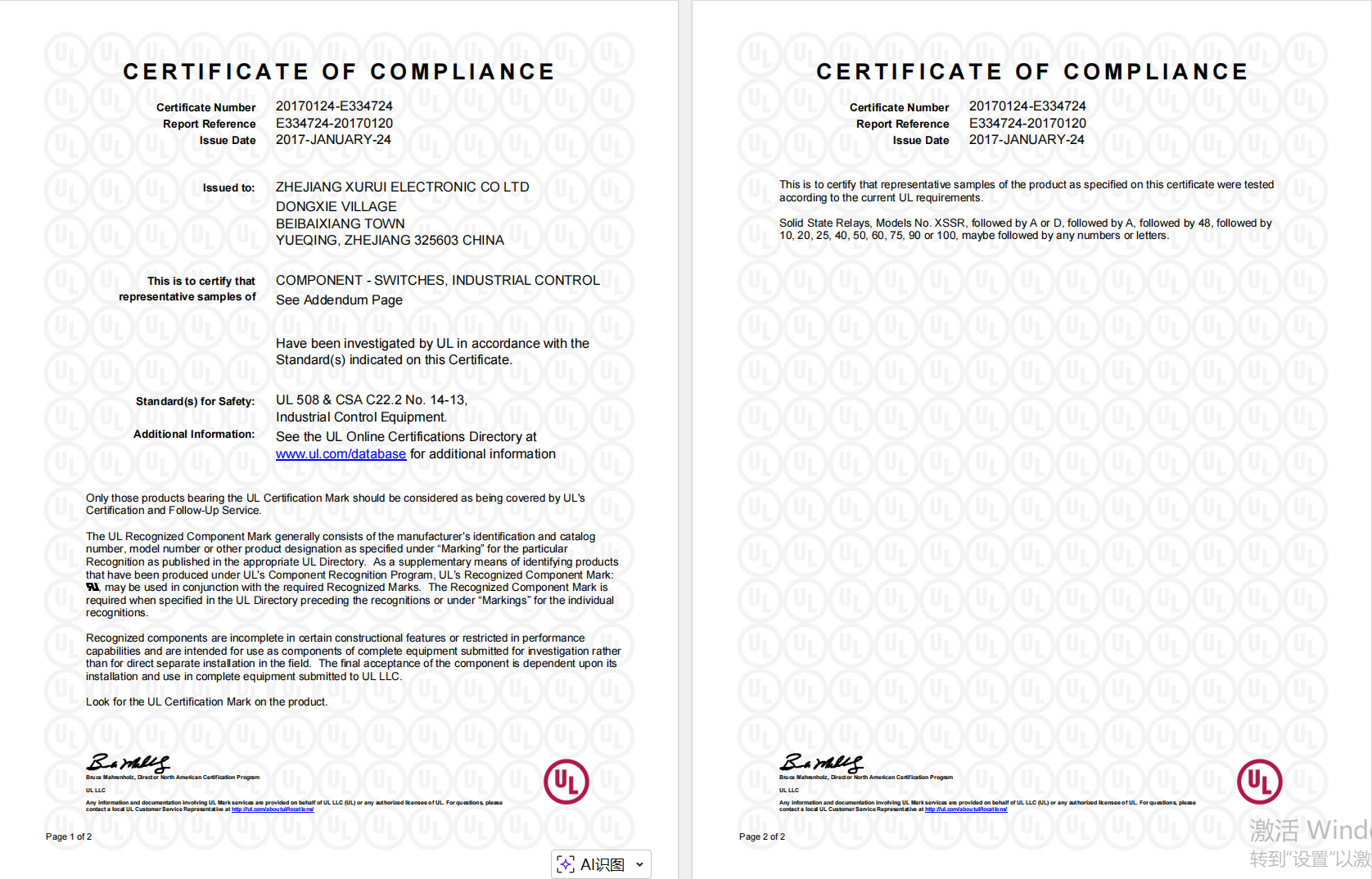
UL certification for XURUI's solid state relays, a key mark of safety and quality for industrial components.
Putting It All Together: A XURUI Application Example
Scenario: Upgrading the temperature control system for an industrial plastic molding machine with a 3-phase, 20A, 380VAC resistive heater bank, controlled by a 24VDC PLC.
- Load Type & Current: Resistive, 20A per phase. With inrush consideration, a 40A solid state relay per phase provides a safe margin.
- Voltage: Load voltage is 380VAC (~400V rating needed). Control voltage is 24VDC. We need a DC to AC solid state relay.
- Mounting & Phase: A 3 phase solid state relay module or three individual din rail mount solid state relay units in a panel. A module simplifies wiring.
- Features: Zero crossing solid state relay function is ideal for resistive heating to prevent current spikes.
- Supplier Choice: XURUI's XSSR-3DA-W10 series (which holds CCC certification, 2024010303694679) is a perfect match. It's a three-phase, DC-controlled AC SSR with zero-crossing function, DIN-rail mounting, and ratings that meet or exceed the requirements.
Conclusion: Partner with a Trusted Expert
Selecting the right SSR is a technical process that balances application requirements with component specifications. By following these steps and partnering with a certified and experienced manufacturer like XURUI, you ensure system reliability and longevity. As a dedicated solid state relay manufacturer with a philosophy of "Quality first, integrity at heart," XURUI offers not just products but comprehensive industrial solid state relay solutions backed by global certifications and support.
For personalized assistance in selecting the best solid state relay for your project, contact the XURUI team today. Explore their full range of SSR SOLID STATE RELAY solutions, from adjustable solid state relay to high-power modules, on their official website.
Website: https://xuruiswitch.com/
Email: Leon@chinaxurui.com
Phone/WhatsApp: +86 13968773211
Address: NO.3 Yandangshan Road, Wenzhou Bridge Industrial Park, Beibaixiang town, Yueqing, Wenzhou city, Zhejiang, China
Have Questions or Need More Details?
Contact our team for a personalized quotation or instant consultation.
Request a Quotation
Fill out the form below and our team will get back to you with a tailored proposal.
WhatsApp Direct Chat
Prefer to chat in real-time? Message us on WhatsApp for instant assistance & quick answers.
- Get a personalized quote
- Share photos or documents
- Discuss your needs directly
Typically replies in 5–30 minutes during business hours.