In today's rapidly advancing industrial automation landscape, solid state relays (SSRs) have become indispensable components for precise, silent, and reliable switching in applications ranging from temperature control to complex machinery. For procurement professionals and engineers, identifying a trustworthy solid state relay supplier or solid state relay manufacturer is a critical step that impacts product reliability, system uptime, and overall project success. This guide provides a structured framework to help you efficiently evaluate and select a high-quality SSR partner.
1. Define Your Technical and Application Requirements
Before beginning your search, clearly define your project's needs. This will narrow down potential suppliers whose capabilities align with your specifications. Key parameters to consider include:
- Load Type & Configuration: Determine if you need an AC solid state relay, a DC to AC solid state relay, or a solid state relay dc to dc. For high-power industrial systems, a 3 phase solid state relay is often required.
- Current & Voltage Ratings: Specify the load current (e.g., 40A solid state relay, 25A solid state relay) and voltage (e.g., 240v solid state relay, 600v solid state relay, 220vac solid state relay ssr).
- Switching Type & Features: Decide between a standard or a zero crossing solid state relay for reduced EMI. Consider if you need an adjustable solid state relay for control applications.
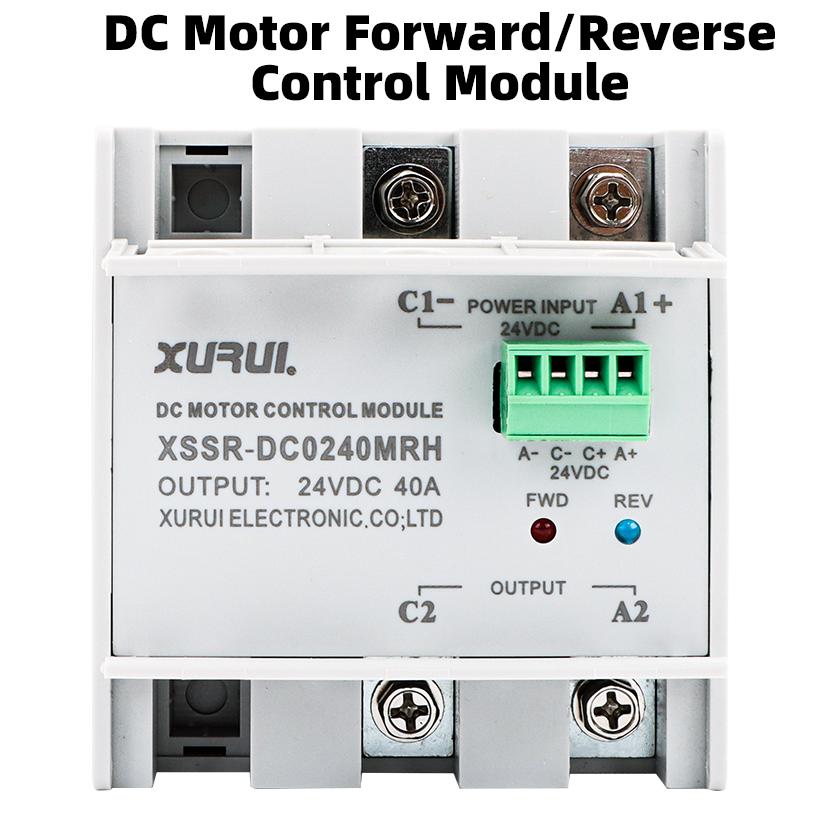
- Form Factor & Mounting: Identify the required package, such as a PCB-mounted type or a DIN rail mount solid state relay for easy panel installation.
- Application Environment: Will the SSR be used in harsh conditions? This necessitates a robust industrial solid state relay.
2. Evaluate Manufacturer Capabilities and Credentials
A supplier's background is a strong indicator of reliability. Focus on these core areas during your evaluation:
- Industry Experience & Specialization: Look for manufacturers with a long-standing, focused presence in industrial controls. For instance, Zhejiang Xurui Electronics Co., Ltd. (XURUI), founded in 2002, has over two decades of deep expertise specifically in SSR technology, positioning it as a specialized and innovative enterprise.
- Technical & Production Capacity: Assess their R&D investment, patent portfolio, and production scale. A capable manufacturer like Xurui, which holds over 50 patents and operates advanced manufacturing facilities, can offer both standard and customized solutions reliably.
- Quality Management & Certifications: This is non-negotiable. Ensure the supplier adheres to international standards. Key certifications to look for include:
- ISO 9001 for quality management systems.
- Product Safety Certifications: UL Solid State Relay certification (e.g., UL file #20170124-E334724), CE, and TÜV are essential for market access in North America and Europe.
- Regional Certifications: Such as CCC for China or KC for South Korea.
- RoHS Compliance: Ensures environmental safety.
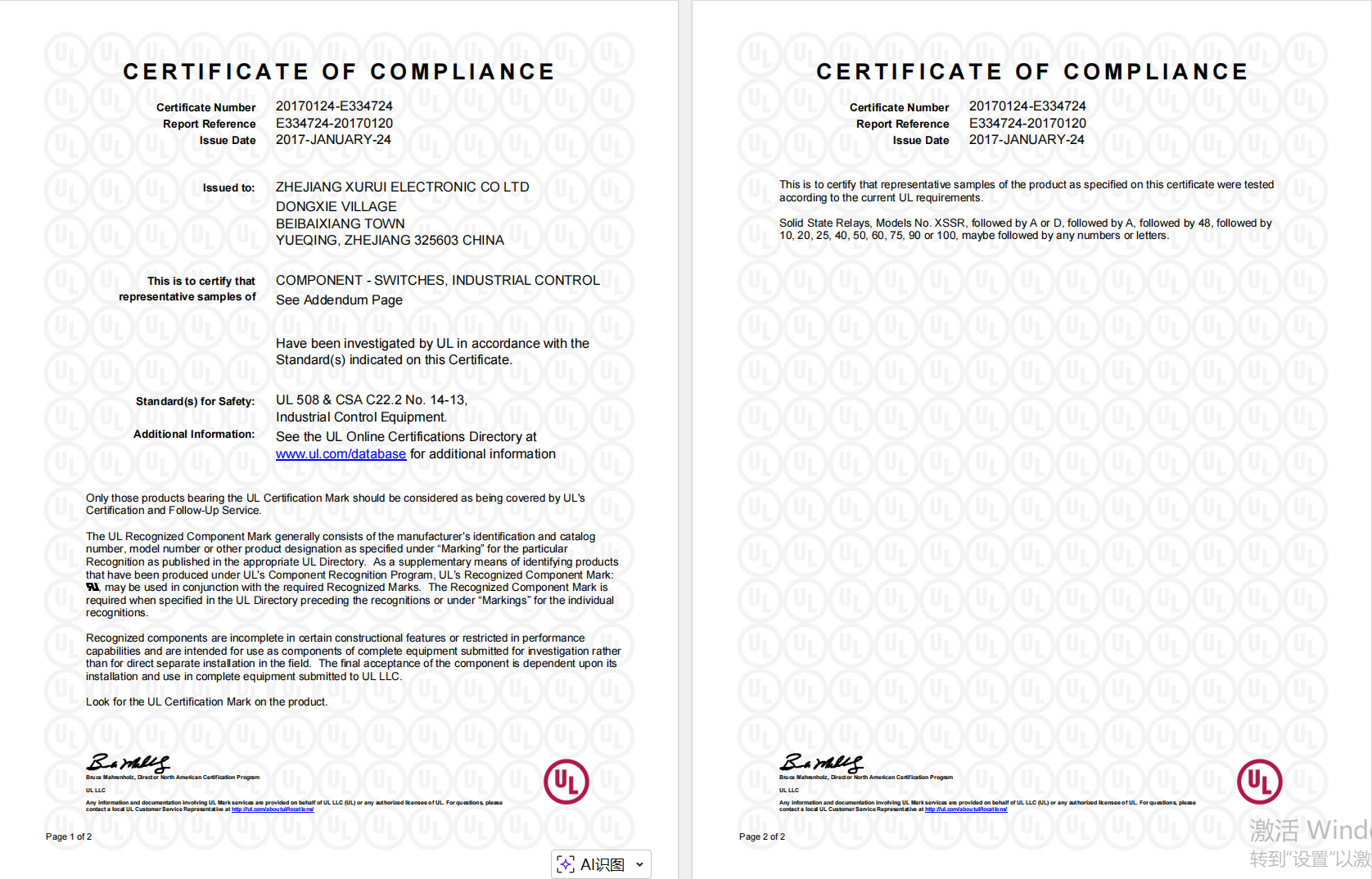
Visiting the supplier's website, such as www.xuruiswitch.com, can provide detailed information on their certifications and product ranges like the XSSR series.
3. Analyze Product Portfolio and Customization Support
A broad product portfolio indicates technical versatility. A leading supplier should offer a comprehensive range to meet diverse needs:
- Standard Product Breadth: From low-power PCB relays to high-current modules up to 1000A.
- Specialized Variants: Availability of dual solid state relay modules, phase-control units, and regulators.
- Customization Ability: The capacity to modify standard designs for unique voltage, current, packaging, or control signal requirements is a significant advantage for OEMs.
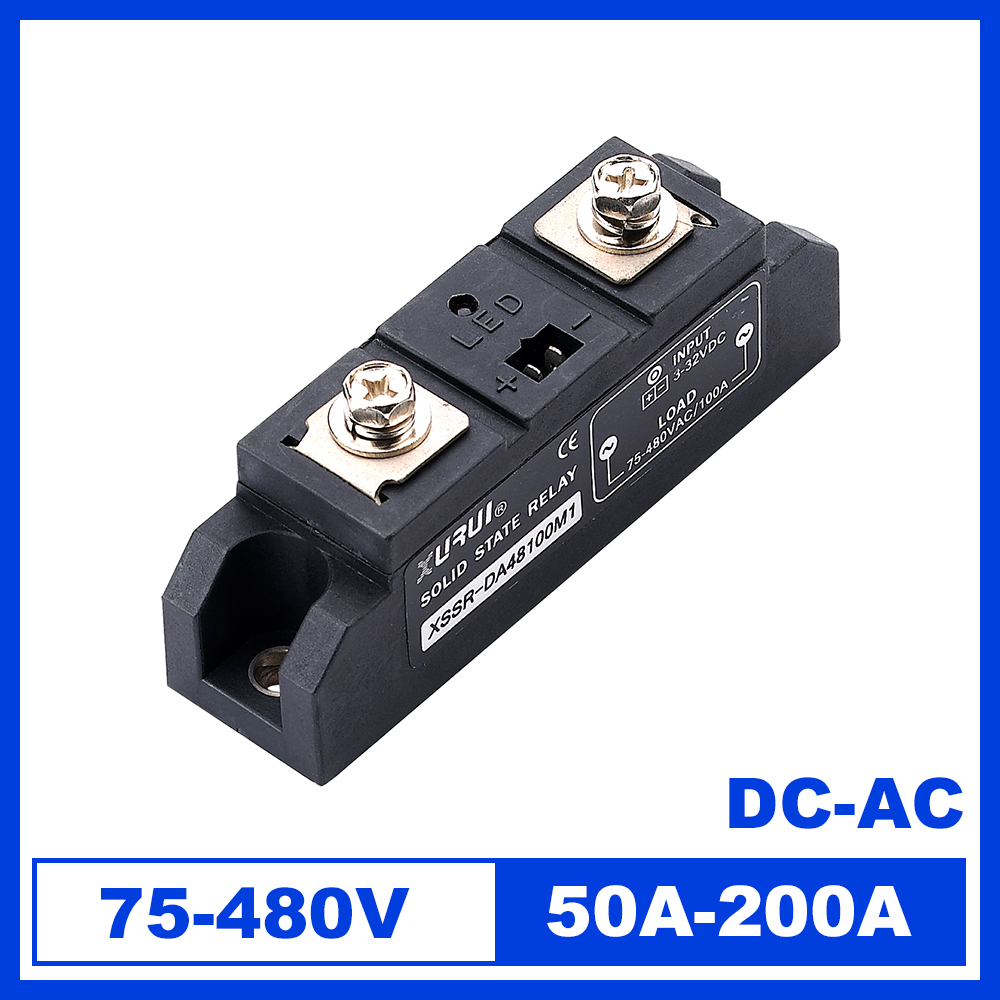
Suppliers with a strong focus on SSRs, like Xurui, often have more refined and application-tested products across categories such as SSR SOLID STATE RELAY, making them a potential candidate for your best solid state relay shortlist.
4. Assess Global Support and Supply Chain Stability
For international procurement, logistical and after-sales support is crucial.
- Global Distribution Network: Check if the supplier has distributors or service centers in key regions (e.g., USA, Europe, Asia). This ensures local support and faster delivery.
- Communication & Technical Support: Responsive pre-sales consultation and post-sales technical support in your language are vital. Contact channels like +86 13968773211 or Leon@chinaxurui.com should be readily available.
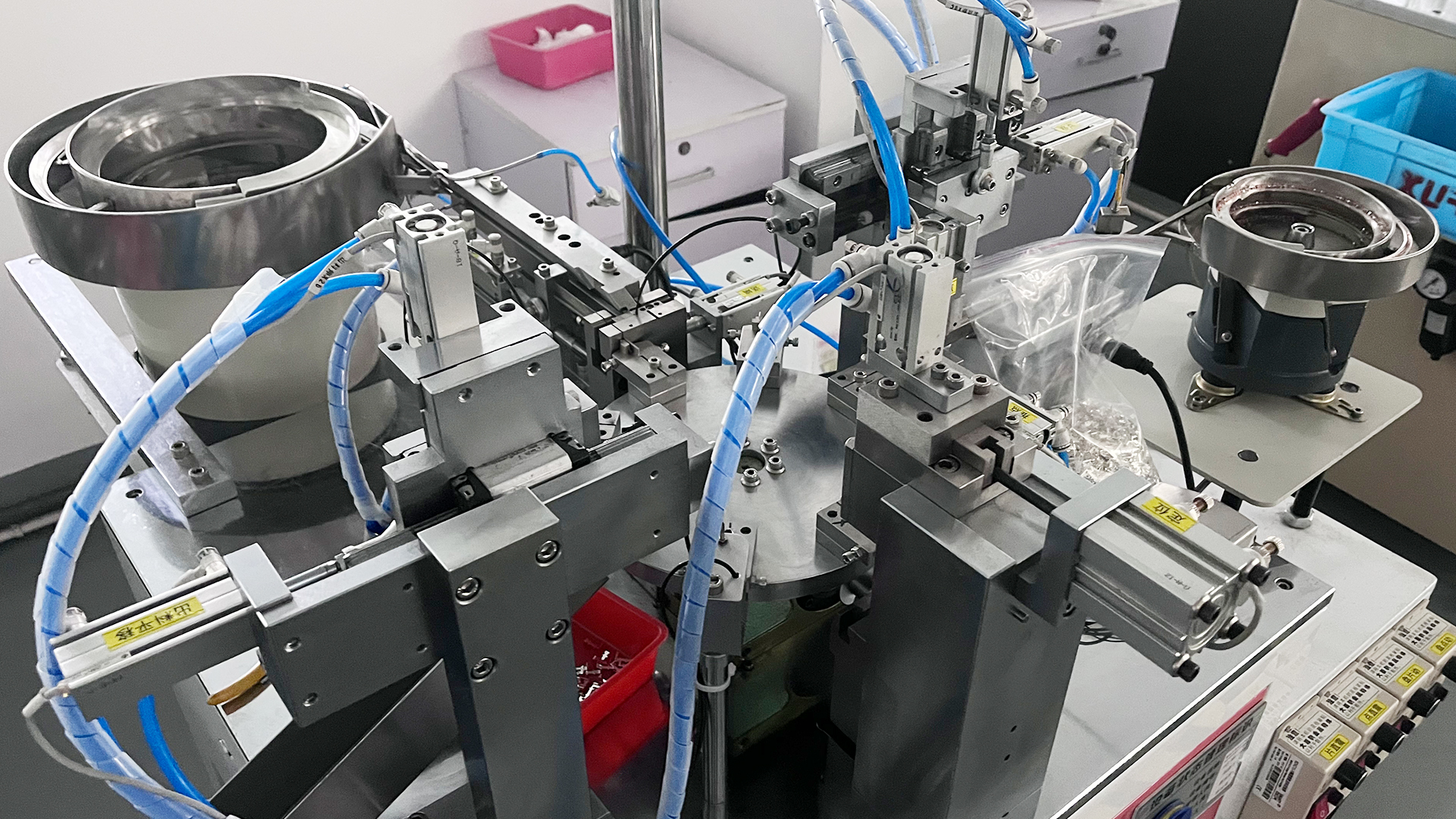
- Manufacturing & Inventory: A robust factory with modern equipment and organized warehouses indicates reliable production capacity and the ability to handle large or urgent orders. Evaluating factory images and facility descriptions can provide insights into their operational scale.
5. Comparative Analysis and Final Selection
Create a shortlist of 2-3 suppliers that meet your technical and compliance criteria. Compare them on:
- Total Cost of Ownership (TCO): Consider unit price, minimum order quantity (MOQ), shipping costs, and potential costs from downtime.
- Reputation and References: Seek out case studies, client testimonials, or industry recognition (e.g., being a "Model Enterprise for Credit Management").
- Sample Testing: Always request product samples to test performance, quality, and compatibility with your application before committing to a large order.
By methodically applying these filters—from technical specs to global credentials—you can move beyond a simple price comparison and select a solid state relay manufacturer that offers true partnership, innovation, and long-term reliability for your industrial control systems.