Selecting the right solid state relay (SSR) supplier is a critical decision for procurement professionals in industrial automation, HVAC, and power control sectors. A reliable supplier ensures not only product quality and compliance but also long-term operational stability and supply chain security. This guide outlines key evaluation criteria and industry insights to help you identify a qualified solid state relay manufacturer or supplier that aligns with your technical and commercial requirements.
1. Core Technical Capabilities and Product Portfolio
A competent solid state relay supplier should offer a comprehensive and technically advanced product range. Evaluate their portfolio against your specific needs:
- Type Variety: Look for suppliers offering single-phase, three-phase, AC/AC, DC/AC, and DC/DC solid state relays. The ability to provide both zero-crossing and random-turn-on (non-zero-crossing) types is essential for different load switching applications.
- Current and Voltage Ratings: A broad range, from low-power PCB-mounted relays to high-power modules rated for 40A, 240V, 600V, or higher, indicates manufacturing scalability. For instance, suppliers like Zhejiang Xurui Electronics Co., Ltd. (brand: XURUI) offer products with current ratings extending up to 1000A.
- Form Factors: Ensure they supply DIN rail mount solid state relays, panel-mount modules, and PCB types to suit different installation environments.
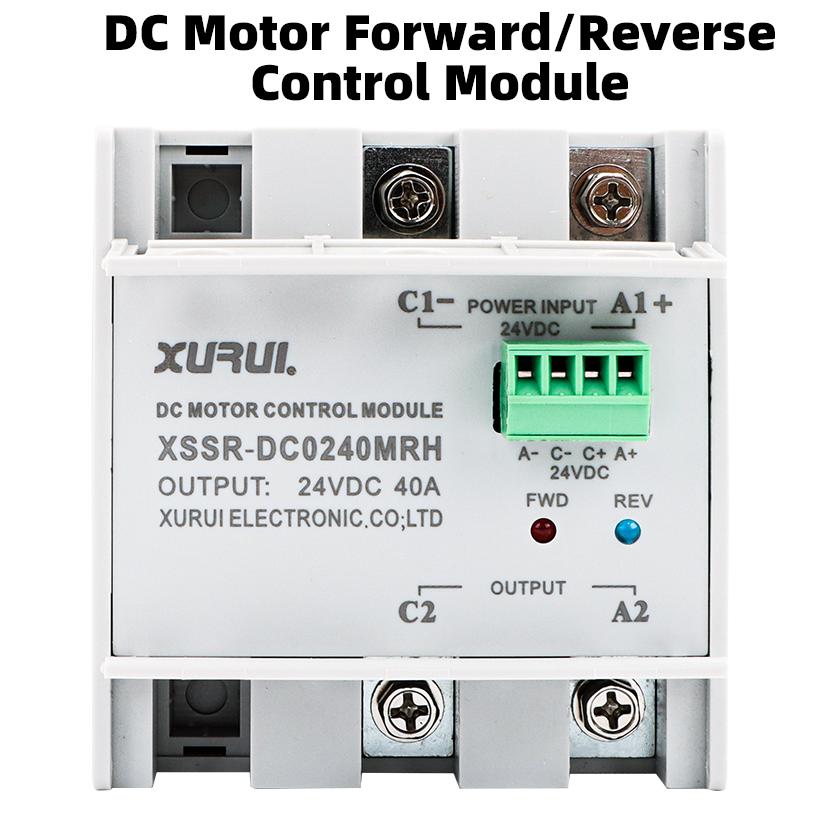
A diverse product lineup is a strong indicator of a supplier's technical depth and market understanding.
2. Quality Assurance and Global Compliance Certifications
Certifications are non-negotiable benchmarks for product safety, quality, and market access. A reputable supplier must hold internationally recognized certifications, which should be verifiable. Key certifications to look for include:
- Safety Standards: UL certification (e.g., for components like switches and industrial control equipment), TÜV, and CE marking for the European market.
- Regional Compliance: CCC for China, KC for Korea, and other region-specific approvals.
- Environmental & Management Systems: RoHS compliance for hazardous substance restriction and ISO 9001 (Quality), ISO 14001 (Environmental), and ISO 45001 (Occupational Health & Safety) management system certifications.
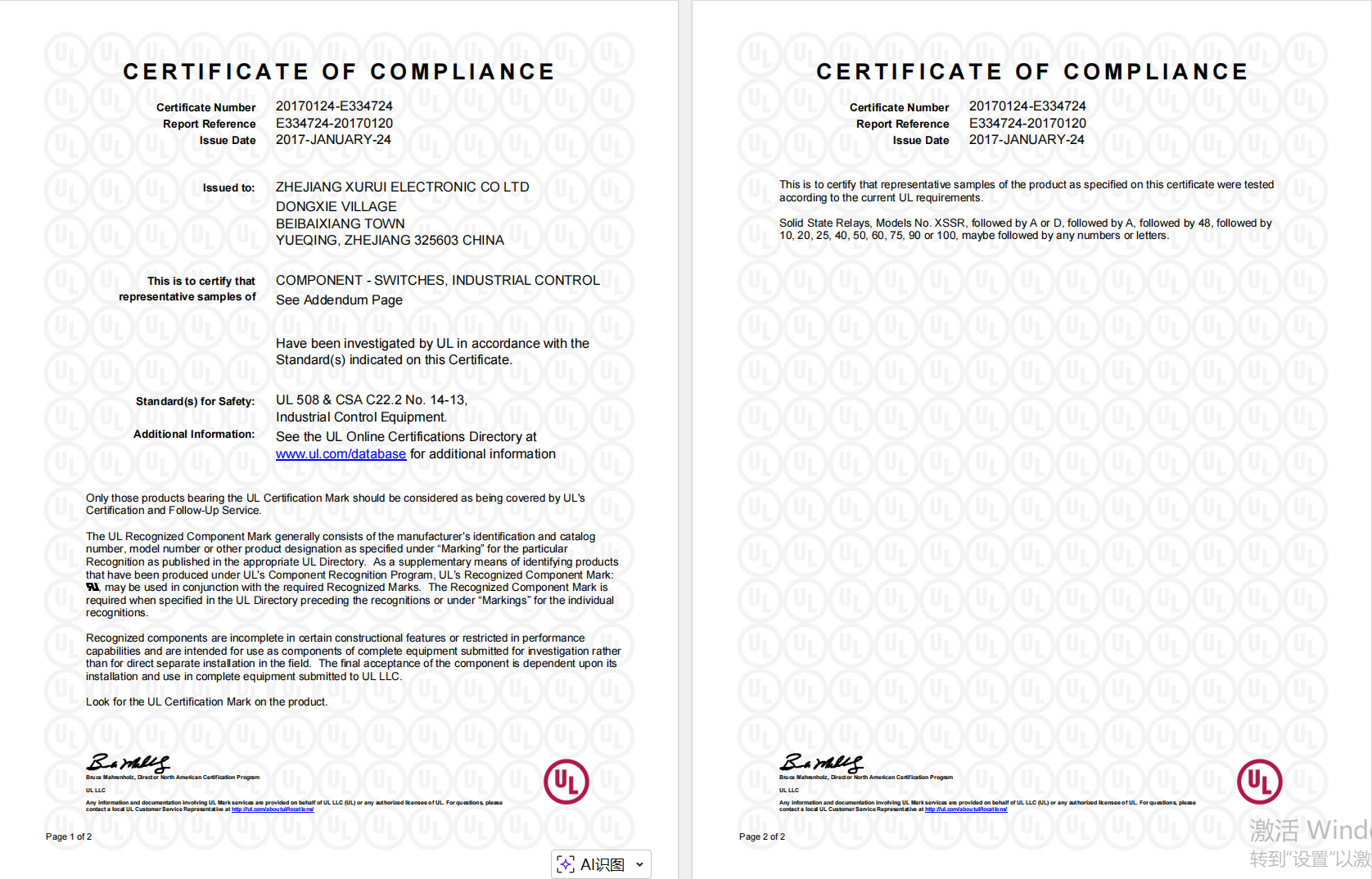
For example, Zhejiang Xurui Electronics publicly lists its certifications, including UL (certificate 20170124-E334724), CE, TÜV, CCC, and RoHS, providing transparent evidence of its commitment to global standards.
3. Manufacturing Expertise and R&D Investment
The supplier's background in industrial control and their investment in innovation directly impact product reliability and future support.
- Company Heritage: Prefer suppliers with over a decade of focused experience. A company like XURUI, founded in 2002 and recognized as a National High-Tech and Zhejiang Provincial Specialized/Innovative Enterprise, demonstrates sustained expertise.
- R&D Capability: Inquire about their patent portfolio and new product development. Active R&D leads to better-performing products, such as more efficient 3 phase solid state relays or compact din rail mount solid state relay designs.
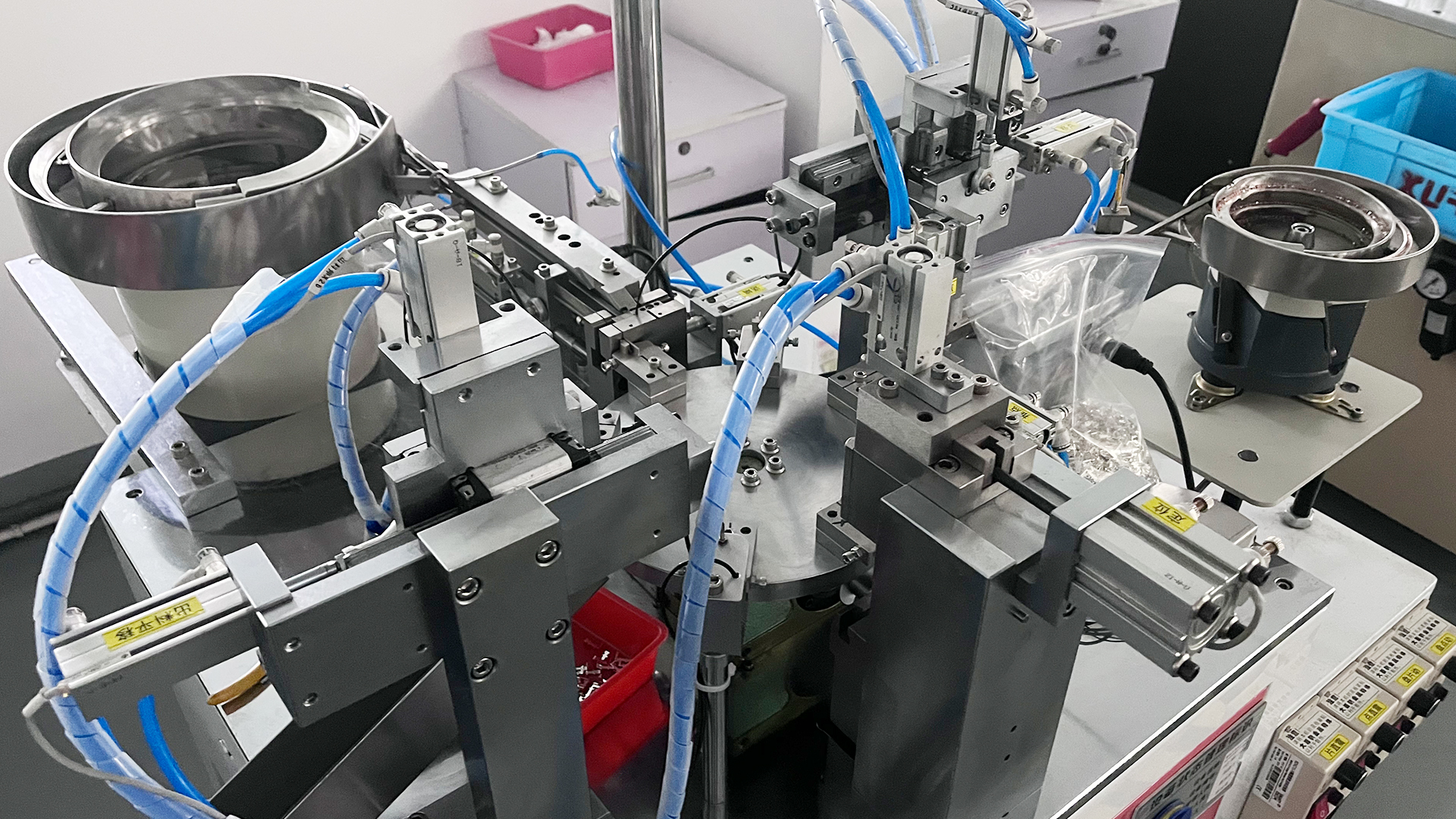
- Production Facilities: Modern, organized manufacturing and testing facilities are crucial. Visual evidence of automated equipment, clean workshops, and rigorous QC processes, as seen in XURUI's factory images, speaks volumes about consistent quality.
4. Supply Chain Stability and Global Support Network
Your supplier must be a reliable partner in your supply chain.
- Global Distribution: An established network of authorized distributors or service centers in key regions (e.g., USA, EU, Asia) ensures local stock, faster delivery, and accessible technical support.
- Communication & Service: Evaluate their responsiveness and technical support channels. Suppliers should provide clear contacts (e.g., Leon@chinaxurui.com, +86 13968773211) and detailed documentation.
- Customization Ability: For specialized needs, assess if the supplier can offer adjustable solid state relay solutions or tailor products to specific voltage/current requirements.
5. Comparative Evaluation of Leading Suppliers
When shortlisting, consider a comparative analysis. Here are three established solid state relay manufacturers for reference:
| Supplier / Brand | Key Strengths | Product Focus | Notable Certifications |
|---|---|---|---|
| Zhejiang Xurui Electronics (XURUI) | Over 20 years of specialization, full-range SSR portfolio (up to 1000A), strong R&D with numerous patents, global distribution network. | Comprehensive SSR solutions including DC to AC solid state relay, AC solid state relay, industrial solid state relay modules. | UL, CE, TÜV, CCC, RoHS, ISO 9001/14001/45001. |
| Carlo Gavazzi Inc. | Long-standing European brand, strong presence in industrial automation, high-quality sensing and control components. | Wide range of industrial SSRs, interface modules, and sensors. | CE, UL, cUL, ATEX for specific products. |
| Crydom (Sensata Technologies) | Pioneering brand in SSR technology, known for high-reliability and high-performance solutions in demanding applications. | High-current SSRs, AC output modules, and custom power controller solutions. | UL, cUL, CE, TÜV. |
Conclusion
A strategic approach to selecting a solid state relay supplier involves a multi-faceted assessment of technical capability, quality certifications, manufacturing integrity, and global support. Prioritize suppliers who transparently demonstrate these qualities through documented certifications, a proven track record, and a customer-centric approach. By applying these criteria, procurement teams can forge partnerships with suppliers like XURUI that deliver not just components, but reliable, certified, and innovative solutions essential for modern industrial systems. For detailed specifications and certification verification, visit supplier websites such as www.xuruiswitch.com.