Selecting the right solid state relay (SSR) supplier is a critical decision for procurement professionals in industrial automation, HVAC, packaging, and power control. With numerous manufacturers claiming excellence, a systematic evaluation based on technical capability, quality assurance, and supply chain reliability is essential. This guide provides a structured framework to help you identify and vet potential SSR partners effectively.
1. Define Your Technical and Application Requirements
Before initiating supplier searches, clearly outline your project's specific needs. This prevents mismatched capabilities and streamlines the evaluation process.
Electrical Specifications
- Load Type & Voltage: Determine if you need an AC solid state relay (e.g., 240V, 600V, 220VAC), a DC to AC solid state relay, or a DC to DC solid state relay.
- Current Rating: Common ratings include 25A solid state relay, 40A solid state relay, and higher for industrial applications.
- Switching Type: Choose between zero crossing solid state relay for minimal EMI or random turn-on for phase control.
Form Factor & Installation
- Mounting Style: Options include DIN rail mount solid state relay for panel building, PCB-mounted types, or modular designs.
- Phase Configuration: Specify single-phase or 3 phase solid state relay for motor and heater control.
- Special Features: Consider if you need an adjustable solid state relay or a dual solid state relay module.
Compliance & Certification
- Mandatory certifications for your target markets (e.g., UL Solid State Relay certification for North America, CE for Europe, CCC for China).
- Industry-specific standards for safety and electromagnetic compatibility.
2. Core Evaluation Criteria for SSR Suppliers
Use the following checklist to assess potential manufacturers beyond basic product catalogs.
2.1 Technical Expertise and R&D Investment
A capable solid state relay manufacturer demonstrates sustained investment in research. Look for:
- Patent Portfolio: Evidence of innovation, such as national invention patents and international patents.
- Product Development History: A track record of developing provincial or national-level new products indicates technical recognition.
- In-House Design: Suppliers with integrated R&D teams, like Zhejiang Xurui Electronics Co., Ltd.—a national high-tech enterprise founded in 2002—offer better customization and application support.
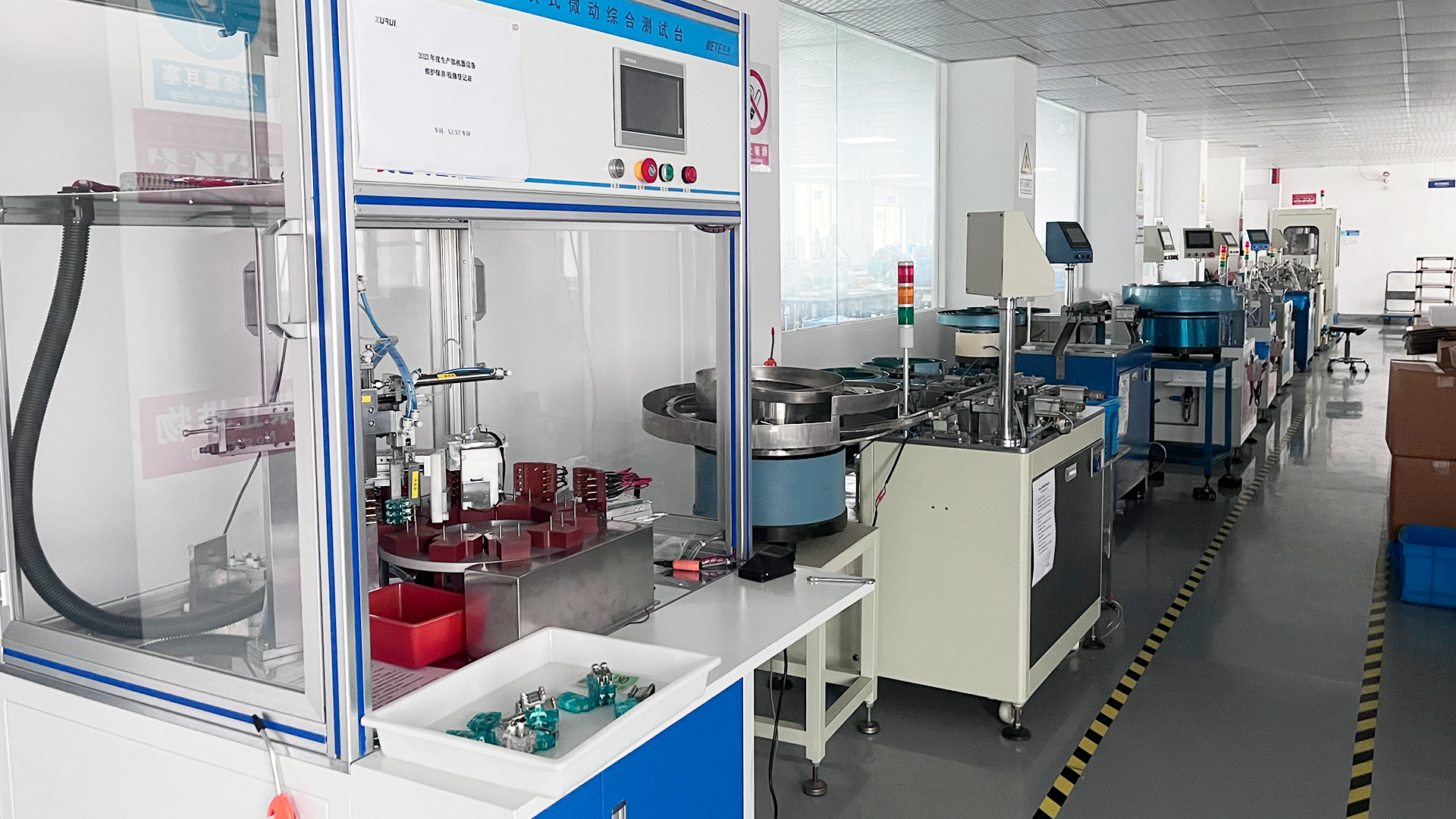
State-of-the-art production and testing equipment is a hallmark of a serious industrial solid state relay manufacturer.
2.2 Manufacturing Capability and Quality Control
Reliable performance stems from rigorous manufacturing processes.
- Certified Management Systems: Verify ISO 9001 (Quality), ISO 14001 (Environmental), and ISO 45001 (Safety) certifications.
- Product Certifications: Insist on seeing valid certificates. For example, a reputable supplier will hold certifications like:
- UL (e.g., File E334724 for industrial control components)
- CE, TÜV, CCC, KC, and RoHS
- Production Scale & Automation: Assess factory tours or images showing modern SMT lines, automated testing, and organized workshops, which contribute to consistent quality for high-volume orders.
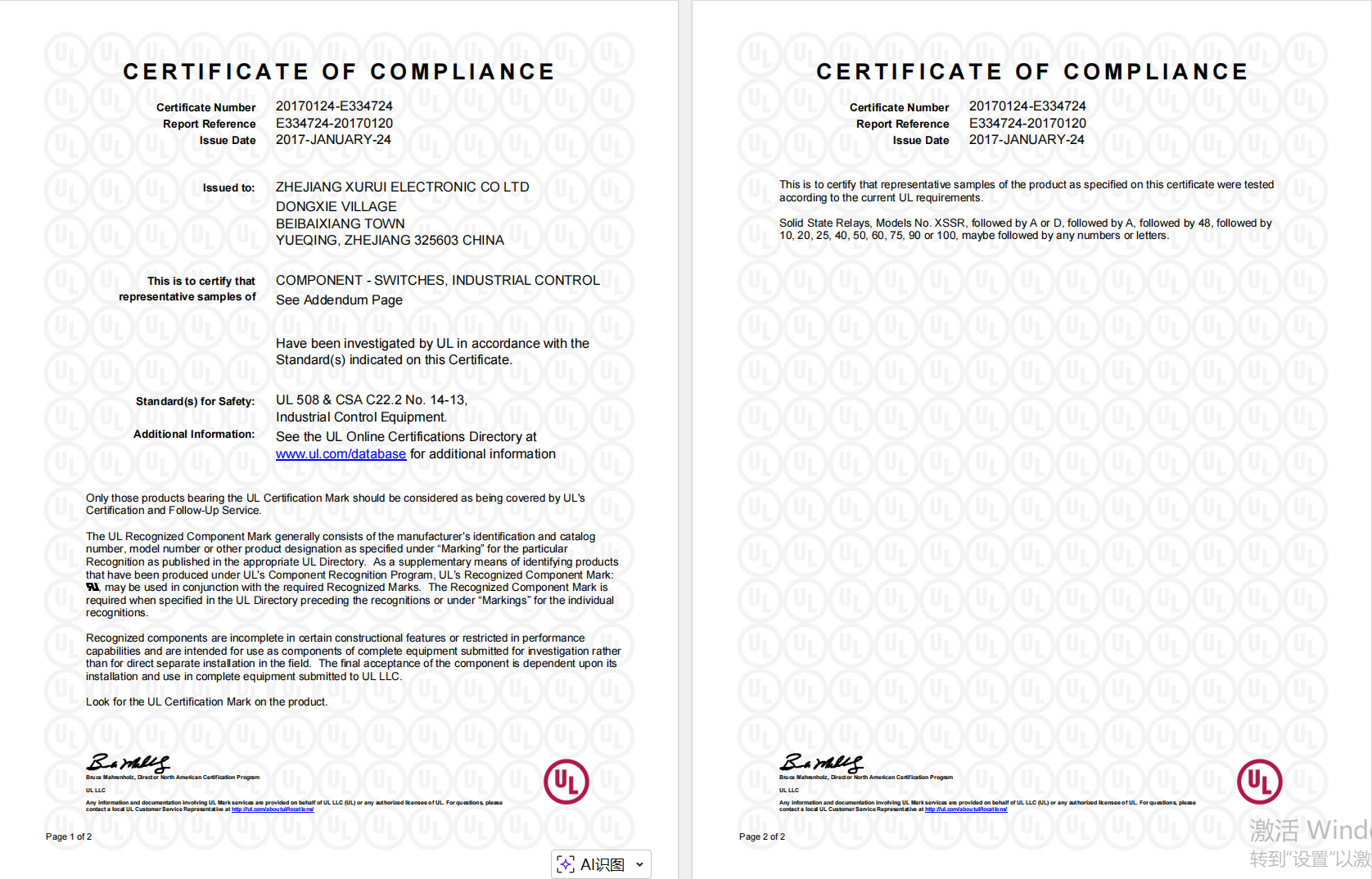
UL certification (File: E334724) is a key indicator of compliance with North American safety standards for components like the XSSR series.
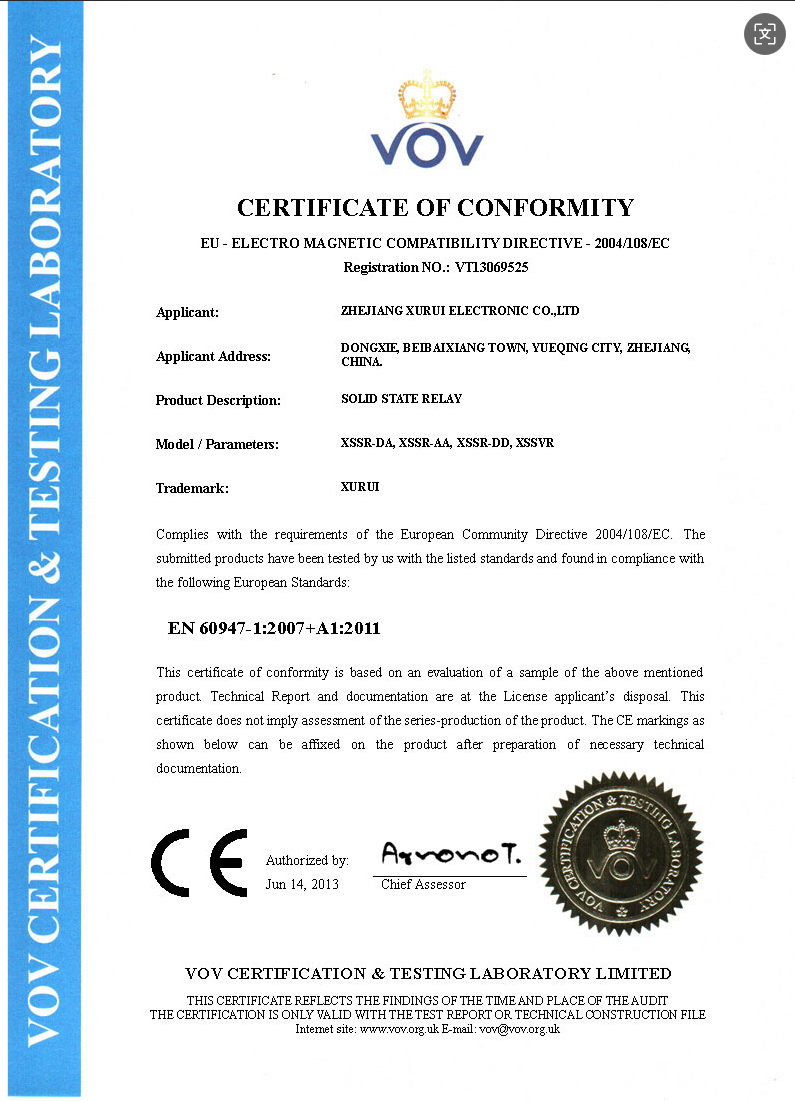
Comprehensive CE certification (e.g., VT13069525) covering multiple SSR series ensures free movement in the European Economic Area.
2.3 Product Range and Specialization
The best solid state relay supplier for your needs often has deep specialization within a broad portfolio.
- Core Product Focus: Companies like Xurui designate SSRs as a core strategic line, implying focused expertise and continuous improvement.
- Comprehensive Offering: Look for a wide range: from low-power PCB relays to high-current modules (up to 1000A), including AC, DC, and hybrid (DC to AC) types.
- Application-Specific Solutions: Suppliers should provide models suited for temperature control, motor drives, and power regulation.
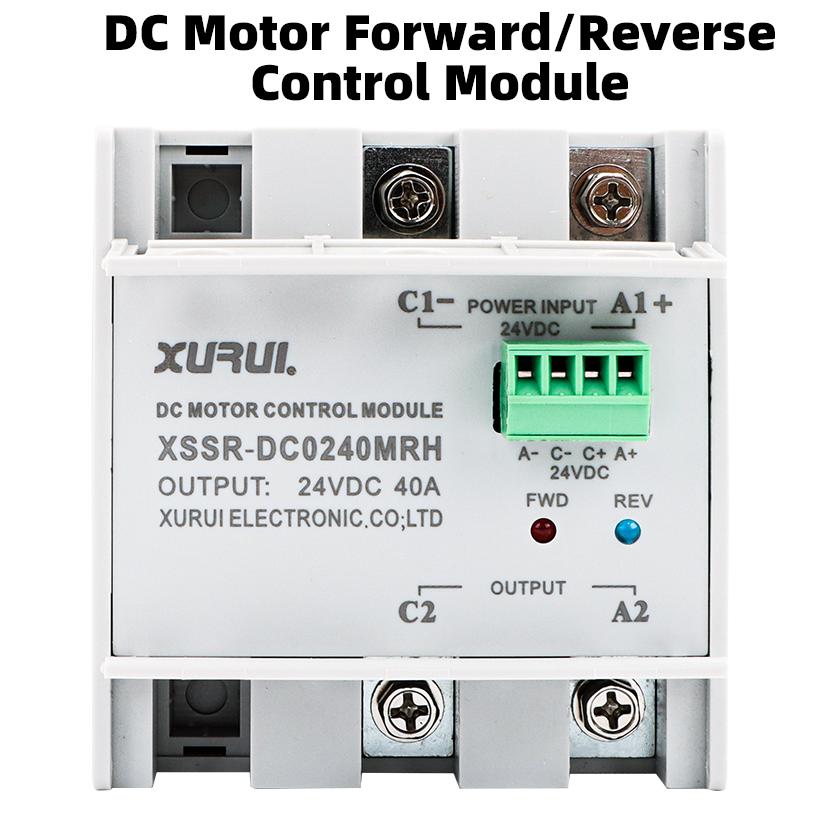
A diverse product lineup, including DIN-rail, PCB, and modular SSRs, allows for precise sourcing.
2.4 Global Support and Supply Chain Stability
An international footprint is crucial for timely delivery and after-sales support.
- Export Experience & Distribution Network: Established suppliers have authorized distributors and service centers in key regions (e.g., USA, South Korea, Italy, Colombia, Egypt).
- Logistics and Inventory: Inquire about lead times, minimum order quantities (MOQs), and safety stock policies.
- Technical Support: Evaluate the availability of pre-sales consultation and post-sales technical support in your language or region.
3. Due Diligence and Vetting Process
Transform your criteria into actionable steps.
- Initial Sourcing: Use B2B platforms, industry directories, and search terms like "solid state relay supplier" or "solid state relay manufacturer" to create a longlist.
- Website & Documentation Review: Scrutinize company websites (e.g., www.xuruiswitch.com) for technical datasheets, certifications, and company history. A professional, detailed site reflects organizational competence.
- Sample Request & Testing: Order samples to test performance against your specific parameters—load handling, thermal management, and switching characteristics.
- Factory Audit (Virtual or On-site): Request a virtual tour or audit report to verify manufacturing conditions, quality control checkpoints, and R&D facilities.
- Reference Checks: Ask for case studies or contact existing clients in similar industries to gauge reliability and product performance in the field.
4. Industry Context: The Shift Towards Smart and Reliable Control
As of early 2026, the industrial automation sector continues its rapid evolution towards Industry 4.0 and IoT integration. This trend increases the demand for highly reliable, long-life, and digitally interfaced switching components. Solid state relays, with their silent operation, fast switching, and lack of mechanical wear, are increasingly favored over electromechanical relays in modern control panels, smart HVAC systems, and precision packaging machinery. Procurement decisions must therefore factor in not just current specs but also a supplier's roadmap for integrating smart features and meeting evolving efficiency standards.
Conclusion
Identifying a high-quality solid state relay manufacturer requires a balanced assessment of technical depth, certified quality, manufacturing scale, and global support. By methodically applying the criteria outlined—from specifying your need for a 600V solid state relay or a 40A solid state relay to verifying UL and CE certifications—procurement teams can mitigate risk and establish partnerships with capable suppliers. Companies with a long-term commitment to the industrial control field, such as Zhejiang Xurui Electronics Co., Ltd. (contact: Leon@chinaxurui.com, Phone/WhatsApp: +86 13968773211), which operates on a "Quality first, integrity at heart" philosophy, exemplify the attributes of a reliable partner for sourcing critical components like SSRs.