
Solid State Relay Working Principles: What Happens Inside an SSR and How to Choose One
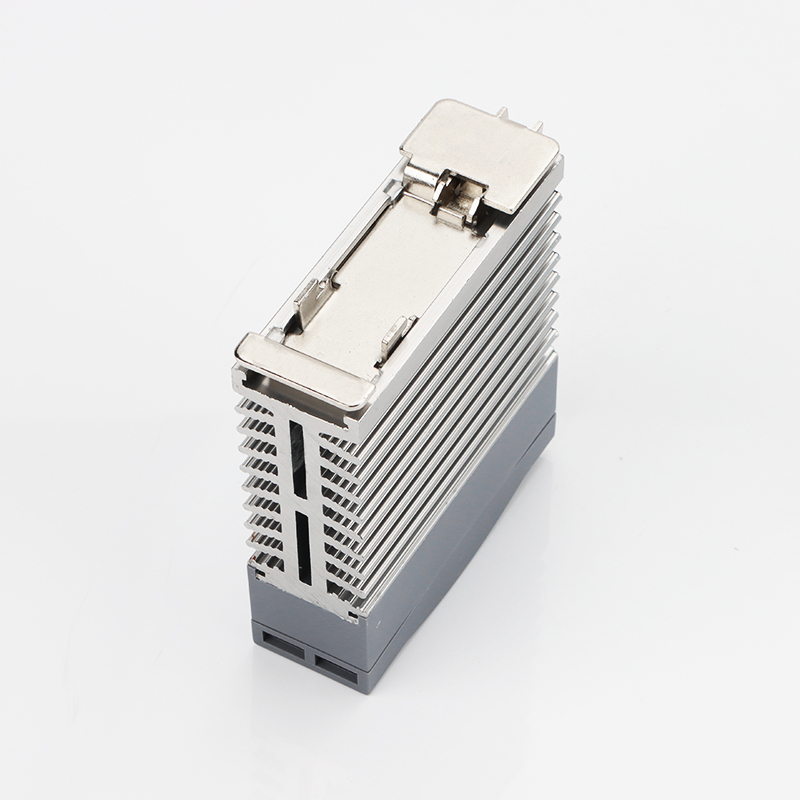
Figure 1 - XURUI XSSR-H solid state relay with aluminum alloy heat sink
A solid state relay (SSR) is a contactless electronic switching device that uses semiconductor components to switch an AC load on and off without moving contacts. This article explains how SSRs work, what the datasheet values actually mean, and how to match an SSR family to a real industrial application.
Why the Solid State Relay Is Easy to Mis-Specify
When engineers start researching solid state relays, they often reduce the component to two numbers: load voltage and load current. In reality, an SSR is a small system. The control signal must be compatible with the PLC or temperature controller, the trigger method must fit the load, the leakage current must be acceptable to the downstream circuit, and the heat sink must keep the semiconductor junction inside its operating window. Overheating is the most common field failure, usually caused by sizing without the load current safety factor or by mounting without adequate cooling.
Terminology creates a second layer of confusion. Terms such as "DC to AC solid state relay", "AC solid state relay", "zero crossing solid state relay", "adjustable solid state relay", and "three phase solid state relay" describe different combinations of control input, load output, and trigger behavior. This guide gives buyers and engineers a clear mental model before they compare catalog pages from solid state relay manufacturers.
Industry Background: A Market Moving From Mechanical to Solid State
The global solid state relay market was estimated at USD 1.74 billion in 2025 and is projected to reach USD 2.36 billion by 2030, according to MarketsandMarkets. Asia-Pacific accounts for roughly 42% of the market, supported by EV charger deployment and photovoltaic inverter manufacturing in China and Japan (Mordor Intelligence). The largest installed base is in lower-current applications: the 0-20 A current-rating bracket represented about 44% of the SSR market in 2025. Panel-mount SSRs held the largest mounting configuration share at approximately 38.7%, while DIN-rail variants are the fastest-growing segment with a forecast CAGR of 7.11%.
Because SSRs are used in industrial control equipment, compliance matters. International standards commonly applied to solid state relays include IEC/EN 60947-4-3, the standard for contactors and motor-starters, and UL 508, the US standard for industrial control equipment. Buyers should verify certificates for each model rather than trusting a brand-level claim.
Manufacturing discipline is part of reliability. XURUI (Zhejiang Xurui Electronic Co., Ltd.), a Chinese low-voltage switch manufacturer founded in 2002, operates a 5,000 m² factory with about 150 employees and produces around 20 million units per year across its switch portfolio. The company passed ISO9001 quality system certification, and its mainstream products carry CCC, CE, TÜV SÜD, UL, KC and RoHS approvals. XURUI also reports more than 60 national patents. SSR reliability depends as much on production control as on circuit design, so factory-level facts belong in the evaluation.
Detailed Solution: How an SSR Works
An SSR can be understood as four functional blocks: the input circuit, the isolation barrier, the output switching stage, and the thermal/mechanical structure.
- Input circuit. The input receives a low-power control voltage. In XURUI SSR families, DC-control models accept 3-32 VDC at 6-25 mA, and AC-control models accept 80-250 VAC at 5-25 mA. This is the side connected to the PLC, controller, or switch.
- Isolation barrier. The control side and the load side are separated by an optical barrier. Isolation quality is expressed by dielectric strength of at least 2500 VAC and insulation resistance of at least 100 MΩ in XURUI SSR specifications.
- Output stage. For AC loads, the output uses a TRIAC, SCR pair, or similar semiconductor. The output is either zero-crossing triggered or random-on (phase-angle) triggered. XURUI's high-current XSSR-M series specifies zero-crossing triggering; switching time across XURUI SSR series is 10 ms or less.
- Thermal and mechanical structure. Because the output drops a small voltage when conducting, the SSR generates heat. The XSSR-H series uses an aluminum alloy heat sink, and most XURUI SSR series use PA66 nylon housings.
DC-to-AC, AC-to-AC, and Adjustable SSRs
A "DC to AC solid state relay" is the most common industrial configuration: the input side is DC, typically 3-32 VDC, and the output switches an AC load. XURUI model codes make this visible: a model such as XSSR-DA4815 indicates DC control with AC output. The "AA" variants (for example, XSSR-AA48 series) accept AC control at 80-250 VAC and switch AC loads.
If the load itself is DC, the relay must be a DC-output SSR rated for that DC bus voltage. Standard catalog SSRs, including XURUI's current portfolio with load voltages from 24 VAC to 480 VAC, are built around AC-load switching. Engineers with true DC loads should state the output type clearly when requesting a quote so the supplier can confirm the correct output stage.
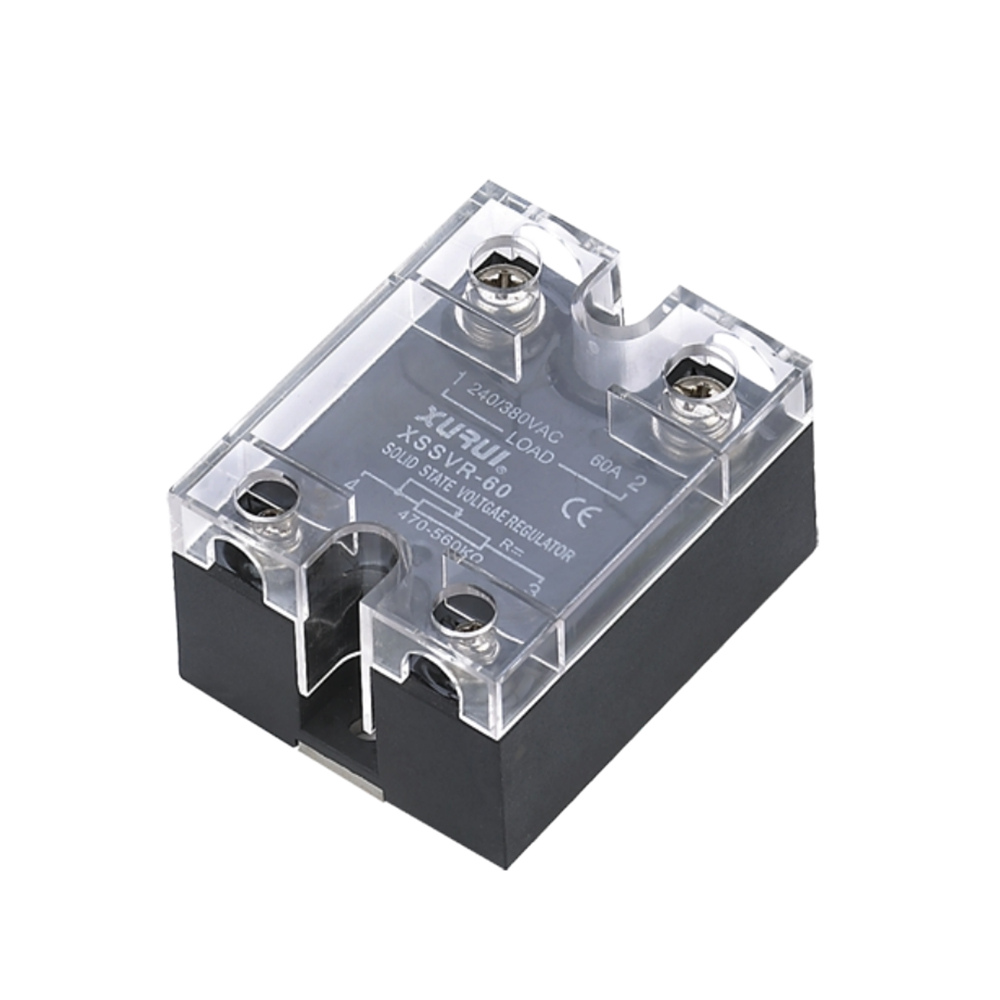
Figure 2 - XURUI XSSVR-W2 adjustable solid state relay for phase-angle control
XURUI also produces adjustable solid state relays for applications that need continuous control rather than simple on/off. The XSSVR-W1/W2 series accepts an external potentiometer of 470-560 kΩ at 0.5-2 W, provides a conduction angle range of 0-170 degrees, and is used for industrial heating, lighting dimming, and basic motor speed regulation. The W1 carries 10-40 A; the W2 carries 50-200 A. For three-phase loads, the XSSVR-3P series accepts potentiometer (2-10 kΩ), voltage (0-5 VDC or 0-10 VDC), and current (4-20 mA or 0-10 mA) control inputs, switches 0-380 VAC three-phase loads at 10-200 A, and is specified for heating, CNC, power supplies, and motor control.
What the Datasheet Values Actually Mean
The following values appear repeatedly in SSR datasheets. Each one affects a different part of the application decision.
- Load voltage. The maximum AC voltage the output can block and switch. XURUI SSR families cover 24-240 VAC, 24-480 VAC, and 75-480 VAC single-phase ranges, plus 0-380 VAC three-phase. A 240 VAC class SSR matches 220/240 V mains; a 480 VAC class covers heavier industrial machines. For systems above 480 VAC, confirm the model with the supplier.
- Max load current. The rated current under stated thermal conditions. XURUI families span 2 A PCB-type relays (XSSR-P), 5-60 A heat-sink relays (XSSR-H), 10-125 A relays (XSSR-W5), 10-200 A relays (XSSR-W15), and 60-1000 A power modules (XSSR-M1 to M6).
- Min load current. XURUI lists values such as 0.05 A and 0.08 A. Below this threshold, a semiconductor output may not switch on reliably because the holding current is too low.
- Output leakage current. A small current flows through the output even in the off state. XURUI specifies up to 1 mA on small and adjustable series, up to 5 mA on most standard series, and up to 8 mA on some high-current and three-phase series. This matters for high-impedance or sensitive loads.
- Breakover voltage. The voltage across the output when the SSR is on. XURUI values range from 1.5 VAC to 2 VAC depending on series. A lower drop means less heat for the same current.
- Switching time and frequency. XURUI SSRs switch within 10 ms and operate at 47-63 Hz; some series list 50-60 Hz.
- Operating temperature. XURUI SSR series specify -20 °C to +70 °C ambient. Enclosure temperature and heat sink selection must be evaluated together.
- Load current safety factor. XURUI datasheets state 50-60% for resistive loads and 30-40% for inductive loads. In practice, a 40 A SSR should drive a continuous resistive load of roughly 20-24 A, and an inductive load such as a motor needs an even larger margin.
Step-by-Step: How to Choose an SSR
- Define the load. Identify load type (resistive, inductive, lamp/inrush), steady-state current, peak current, and switching frequency. Heaters are resistive; motors and transformers are inductive; lamps create inrush.
- Choose the control signal. Confirm what the controller outputs. PLC transistor outputs usually pair with 3-32 VDC control; legacy panels may use 80-250 VAC control. For analog regulation, select an adjustable SSR such as XSSVR-W1/W2 or XSSVR-3P.
- Confirm load voltage. Match the SSR class to the mains: 24-240 VAC for 220/240 V loads, 75-480 VAC for heavier machinery, or 0-380 VAC three-phase for three-phase systems.
- Size the current with the safety factor. Apply 50-60% derating for resistive loads and 30-40% for inductive loads. If the load has high inrush, choose the next current class up.
- Select mounting and form factor. XURUI offers horizontal bolt mount (XSSR-W15), horizontal screw mount (XSSR-F W2), modular screw mount (XSSR-M), PCB mount (XSSR-P), and panel-style units with heat sinks (XSSR-H). DIN-rail versions are increasingly requested because DIN-rail is the fastest-growing mounting segment.
- Evaluate the environment. Check ambient temperature, humidity, dust, and vibration. Use the -20 °C to +70 °C operating window as a starting point and add heat sink capacity for continuous operation.
- Verify certification and QA. Confirm the specific model carries the required certificates (UL 508, IEC/EN 60947-4-3, CE, RoHS, and others) and that the factory performs inspection before delivery. XURUI states 100% strict inspection before delivery.
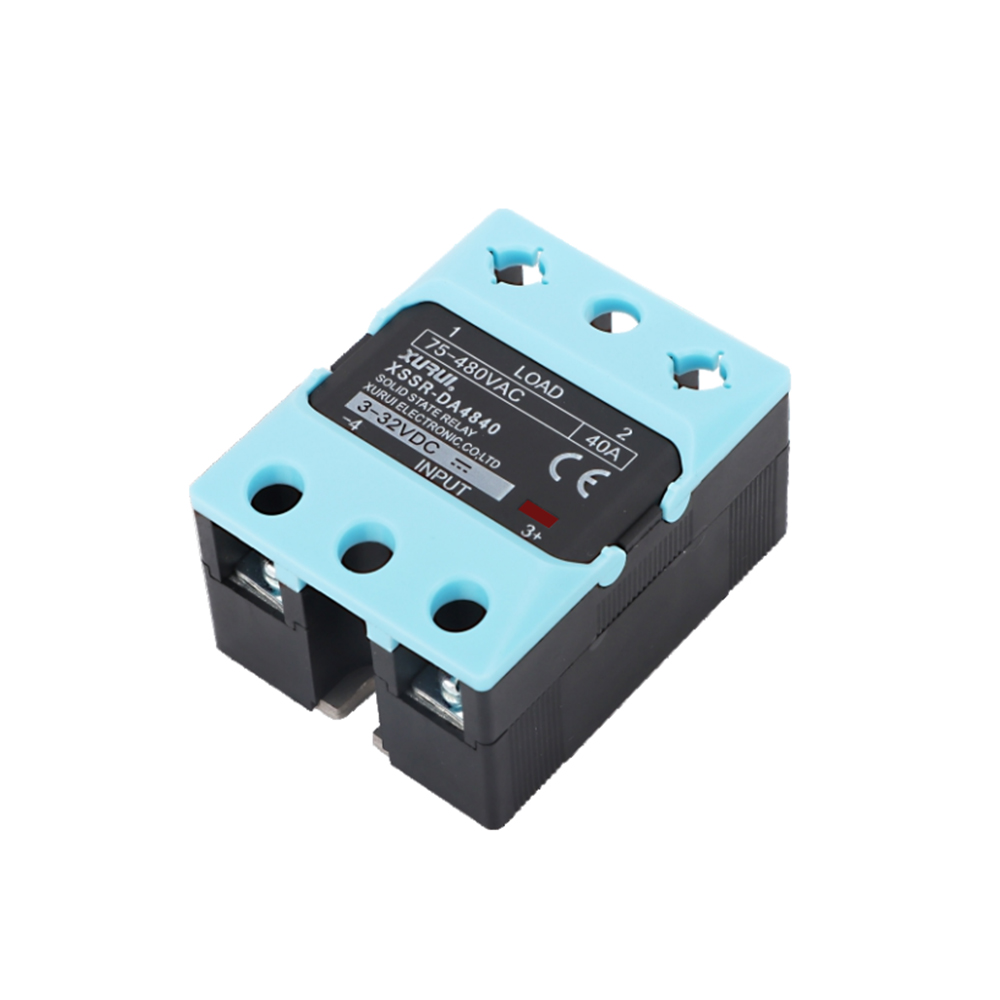
Figure 3 - XURUI XSSR-W15 solid state relay, horizontal bolt mount design
Use Cases: Where Each SSR Family Fits
Industrial Heating and Temperature Control
Electric stoves, ovens, and heating systems switch resistive loads thousands of times per day. XSSR-H, XSSR-W5, and XSSR-W15 suit this duty; zero-crossing triggering reduces inrush current and electromagnetic interference. For larger heating banks, the XSSR-M series extends from 60 A to 1000 A.
Lighting Dimming and Street Lighting
Street lights, signal lights, and traffic lights are target applications for the XSSR-W5. For dimming, the adjustable XSSVR-W1/W2 provides phase-angle control with a minimum load current of 0.05 A.
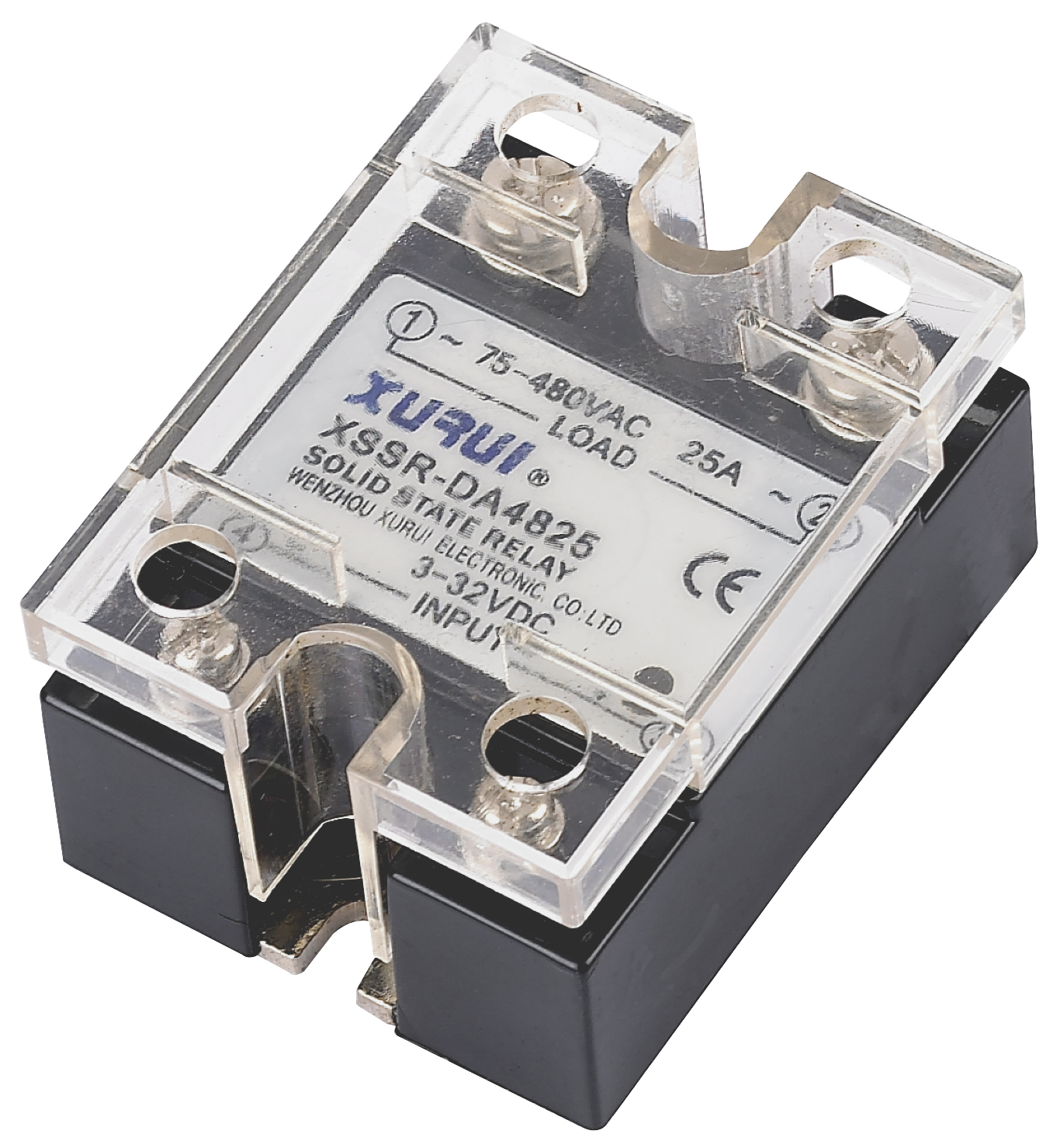
Figure 4 - XURUI XSSR-W5 solid state relay for heating, lighting, and motor control
Motor Control and Speed Regulation
The adjustable XSSVR series is specified for basic motor speed regulation; standard XSSR series handle on/off motor control in automation machinery.
Three-Phase Industrial Automation
For heating, CNC, power supplies, and motor control, the XSSVR-3P handles three-phase loads from 10 A to 200 A with analog control inputs.
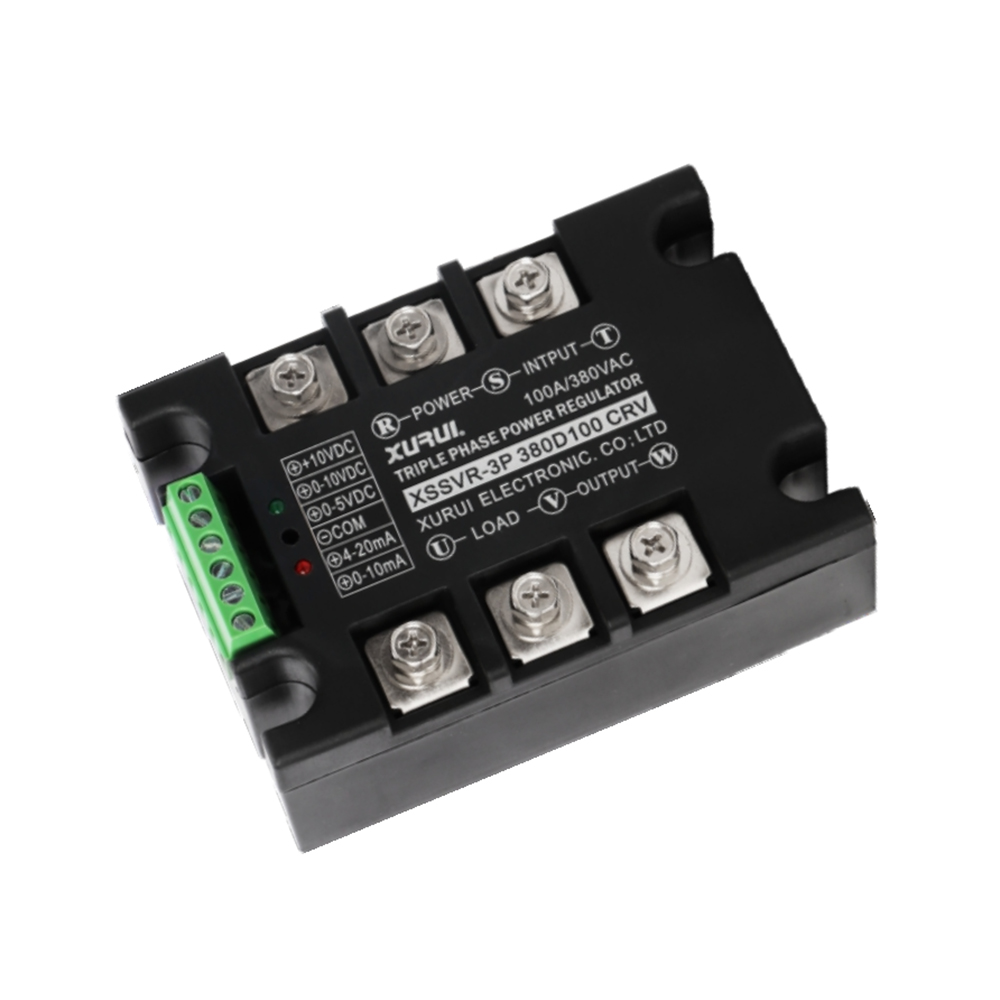
Figure 5 - XURUI XSSVR-3P three-phase solid state relay for industrial automation
High-Current Power Switching
The XSSR-M1 to M6 modular series covers 60 A to 1000 A with zero-crossing trigger and 10 ms or faster switching, aimed at heavy heating and motor applications.
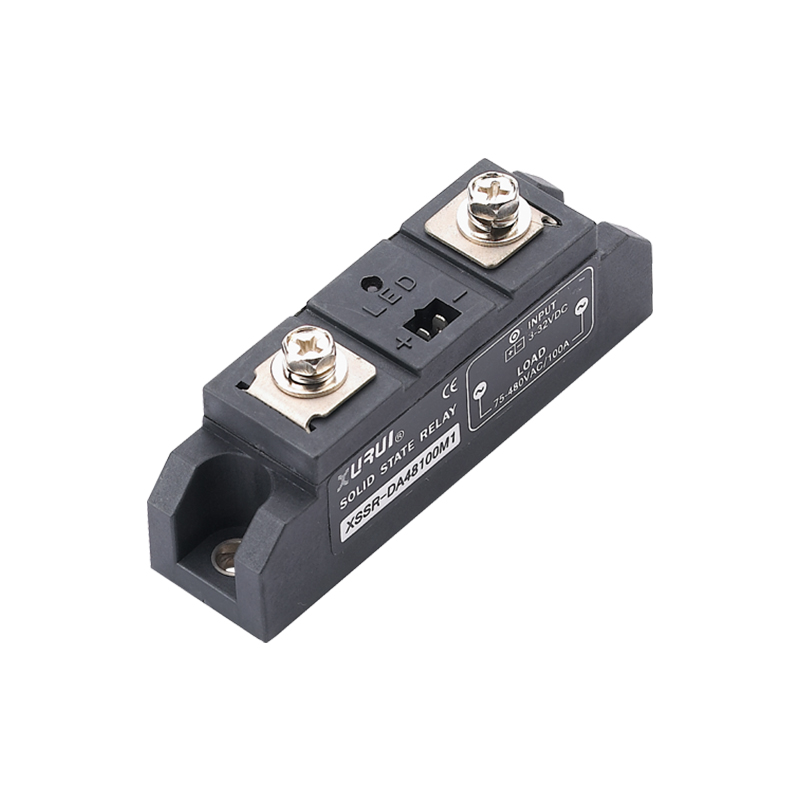
Figure 6 - XURUI XSSR-M1 modular solid state relay for high-current loads
PCB-Level Control
The XSSR-P1/P2/P3 series (2 A, 24-240 VAC) fits automation boards, computer periphery, lighting, and small motor circuits.
HVAC, Renewable Energy, and Medical Equipment
XURUI SSR applications include industrial automation, power control systems, home appliances, HVAC systems, renewable energy, electric vehicles, and medical equipment. These settings benefit from silent, bounce-free switching and long electrical life in continuous operation. When the environment is dusty, humid, or wide in temperature range, pairing the relay with a proper heat sink and enclosure is part of the specification.
Comparison Tables
Solid State Relay vs. Electromechanical Relay
| Aspect | Solid State Relay | Electromechanical Relay |
|---|---|---|
| Switching element | Semiconductor (TRIAC/SCR) | Mechanical contacts |
| Wear mechanism | Thermal stress on the junction; no contact wear | Contact erosion, arcing, and spring fatigue |
| Switching action | Silent; no contact bounce | Audible click; possible contact bounce |
| Service life in high-cycle use | Long when properly cooled | Limited by mechanical and electrical life |
| Heat management | Heat sink and derating required | Lower heat output; simpler mounting |
| Overload behavior | Needs margins; sensitive to overload | Generally more tolerant of momentary overload |
| First cost | Typically higher | Typically lower |
XURUI Solid State Relay Family Comparison
| Series | Control Input | Load Voltage | Max Load Current | Leakage | Key Feature | Typical Application |
|---|---|---|---|---|---|---|
| XSSR-H | 3-32 VDC / 80-250 VAC | 24-480 VAC | 5-60 A | Up to 5 mA | Aluminum heat sink | Heating, HVAC, motors, home appliances, medical equipment |
| XSSR-W15 | 3-32 VDC (DA) / 80-250 VAC (AA) | 75-480 VAC | 10-200 A | Up to 5 mA | Horizontal bolt mount | Heating systems, motor control, industrial automation |
| XSSR-F W2 | 3-32 VDC | 24-480 VAC | 10-60 A | Up to 5 mA | Horizontal screw mount | Heating, lighting, motor control |
| XSSR-W5 | 3-32 VDC | 75-480 VAC | 10-125 A | Up to 8 mA | Breakover up to 1.8 VAC | Street lights, signals, heating, AC motor control |
| XSSR-P1/P2/P3 | 5 V / 12 V / 24 VDC | 24-240 VAC | 2 A | Up to 1 mA | PCB mount | PCB automation, lighting, computer periphery |
| XSSVR-W1/W2 | External potentiometer 470-560 kΩ | Up to 480 VAC | W1: 10-40 A; W2: 50-200 A | Up to 1 mA | Phase-angle 0-170 degrees | Dimming, heating control, basic speed regulation |
| XSSVR-3P | Potentiometer 2-10 kΩ; 0-5 V; 0-10 V; 4-20 mA; 0-10 mA | 0-380 VAC three-phase | 10-200 A | Up to 8 mA | Three-phase; analog control | Heating, CNC, power supplies, motor control |
| XSSR-M1~M6 | 3-32 VDC | 75-480 VAC | 60-1000 A (M1: 60-200 A; M6: 700-1000 A) | Up to 5 or 7 mA | Zero-crossing; modular | Heavy heating, large motors, industrial automation |
Solid State Relay FAQ
What certifications should an industrial solid state relay meet?
Industrial SSRs are commonly required to comply with IEC/EN 60947-4-3, the standard for contactors and motor-starters, and UL 508, the US standard for industrial control equipment. Buyers should also check CE and RoHS for the EU market and country-specific marks such as CCC, KC, or TÜV SÜD depending on destination. XURUI states that its mainstream products are qualified with CCC, CE, TÜV SÜD, UL, KC and RoHS; its UL approvals for XV-15, XZ-15 and XZ-8 series switches and SSRs date back to 2010. Certification applies per model series, so confirm the certificate for the exact part number.
What types of solid state relays exist, and what is the difference between DC-to-AC and DC-to-DC SSRs?
SSR families differ by control signal (DC 3-32 VDC or AC 80-250 VAC), load output (single-phase AC, three-phase AC, or DC), trigger method (zero-crossing or random/phase-angle), current class (from 2 A PCB relays to 1000 A power modules), and adjustability (fixed on/off vs. potentiometer or analog control). A DC-to-AC SSR has a DC control input and switches an AC load; this is the most common industrial configuration. A DC-to-DC SSR is required only when the load itself is DC, and it must be rated for the DC bus voltage. XURUI's current SSR portfolio is built around AC loads from 24 VAC to 480 VAC; buyers with DC loads should specify the output type when requesting a quote.
What drives the price of a solid state relay?
SSR pricing is driven mainly by rated current, load voltage class (240 V vs. 480 V), mounting style, control signal type, trigger mode, certifications, and order volume. A 25 A or 40 A SSR in the 220-240 VAC class with 3-32 VDC control is a mainstream configuration in the largest current bracket of the market and is usually the most practical starting point. Total cost includes thermal design: an undersized heat sink shortens SSR life faster than the purchase price suggests. For exact pricing, request a quotation with the load profile and target quantity.
Can I test a solid state relay sample before placing a production order?
Yes. XURUI supports OEM and ODM customized services and performs 100% strict inspection before delivery. For a sample request, provide the load type (resistive or inductive), load voltage, load current, control voltage, and mounting preference; the sales team can then recommend the correct series, such as XSSR-H, XSSR-W15, XSSR-W5, or XSSVR-W2, for bench testing. Contact Leon at Leon@chinaxurui.com or +86-577-62911448 (WhatsApp +86 13968773211).
What is the typical lead time for solid state relay orders?
Lead time depends on the model, quantity, and level of customization. Standard catalog models follow a production schedule confirmed at quotation; OEM/ODM projects add engineering, prototyping, and sample-approval time before mass production. For current availability, send the target quantity, model, and required delivery date when requesting a quote, or download the XURUI brochure to review the production lineup first.
Conclusion: Build the Spec Sheet, Then the Supplier List
A solid state relay is not a single component type but a family of switching solutions organized around control signal, load voltage, output current, trigger behavior, mounting, and thermal management. Start with the load, apply the safety factor, choose the control interface, evaluate the environment, and then check model-level certifications. Using XURUI as an example, one manufacturer can cover 2 A PCB relays, 5-60 A heat-sink relays, 10-200 A adjustable relays, three-phase analog-controlled relays, and 60-1000 A zero-crossing power modules. This breadth helps buyers standardize suppliers across different machines and reduce qualification work.
To review the full lineup and factory capability, download the XURUI corporate and product brochure (PDF). For a specific application, sample, or quotation, contact XURUI's sales team by email or WhatsApp.
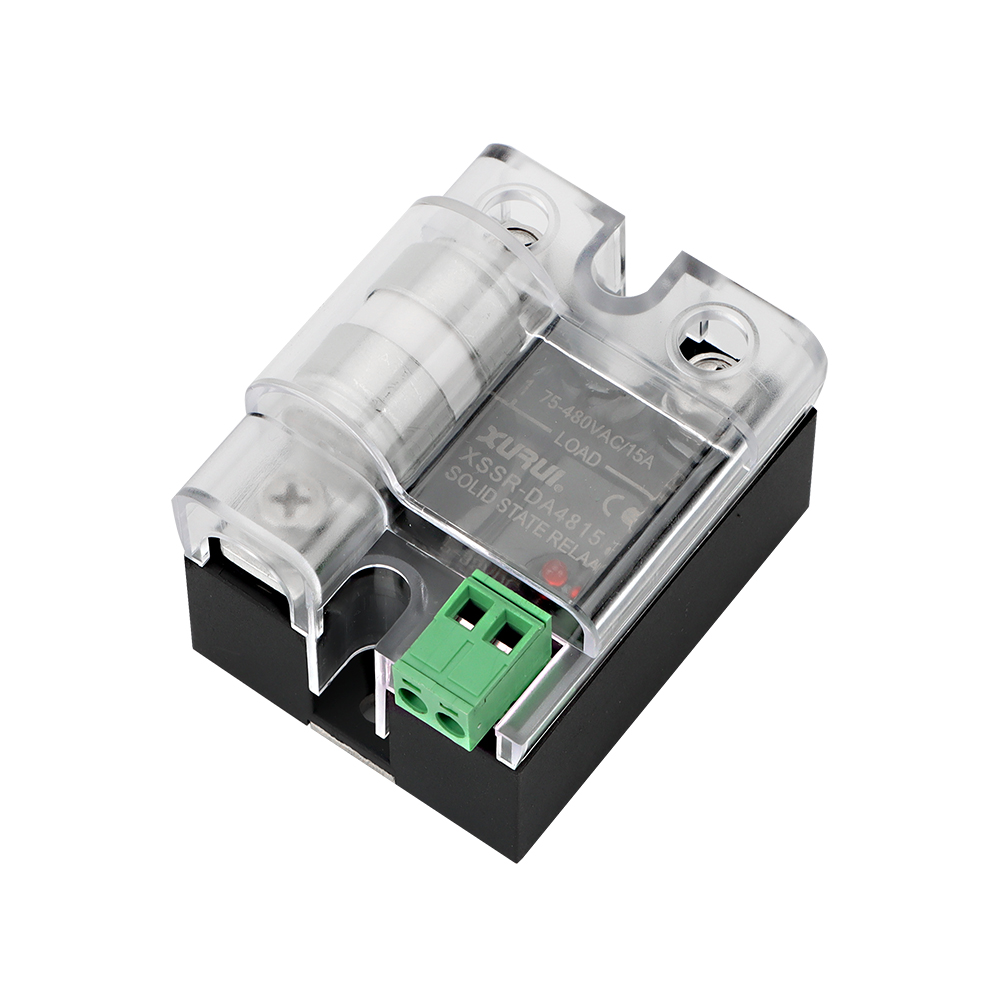
XURUI XSSR-F W2 solid state relay for heating, lighting, and motor control
Need a sample or quotation? Send your load profile and target quantity to Leon@chinaxurui.com or message +86 13968773211 on WhatsApp.
Have Questions or Need More Details?
Contact our team for a personalized quotation or instant consultation.
Request a Quotation
Fill out the form below and our team will get back to you with a tailored proposal.
WhatsApp Direct Chat
Prefer to chat in real-time? Message us on WhatsApp for instant assistance & quick answers.
- Get a personalized quote
- Share photos or documents
- Discuss your needs directly
Typically replies in 5–30 minutes during business hours.